The First 72 Hours:
Survival Checklist
The first three days are the foundation for your new life. Use this checklist to stay organized and ensure you don't miss any critical deadlines.
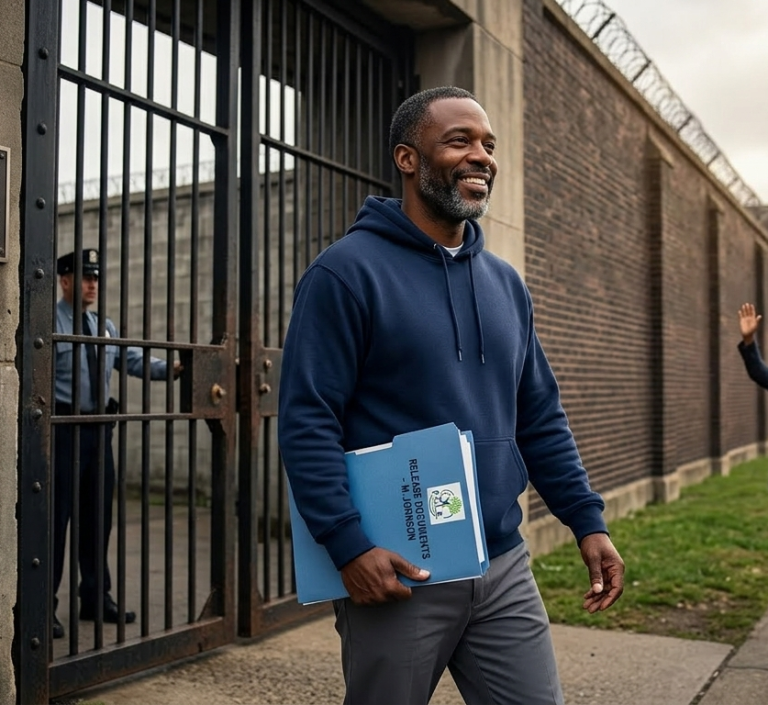
Day 1: The Day of Releasee
- [ ] Report to Parole/Probation: If required, this is your #1 priority. Missing this can lead to an immediate return to custody.
- [ ] Secure Housing: If you don't have a family to go to, ensure you have checked into your assigned halfway house or shelter.
- [ ] Acquire a Working Phone: Even a basic "burner" phone is essential for being reached by employers and Caseworkers
- [ ] Family Connection: Check in with your family support system to let them know you are safe and your locationnis stable.
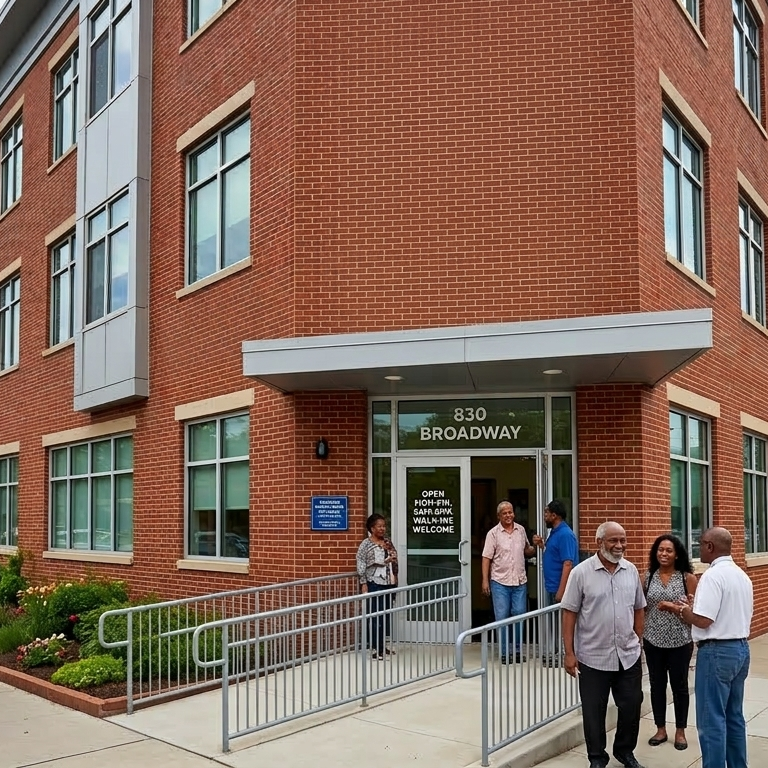
Day 2: The Safety Net
- [ ]Visit the Social Services Offices: Apply for SNAP (Food Stamps) and Medicaid. Ask for "expedited' or "emergency" benefits due to your recent release.
- [ ] Document Inventory: Locate your birth certificate and Social Security card. If you don't have them, start the replacement process today (See our Resource Page).
- [ ] Local 211 Call: Dial 211 to find out where the nearest food pantries and clothing closets are located in your specific neighborhood.
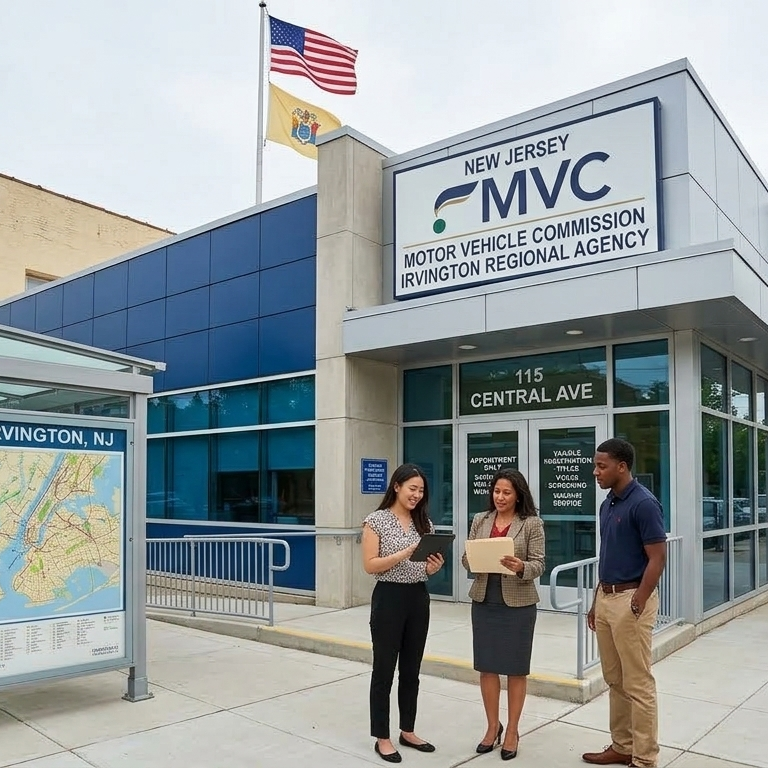
Day 3: Future Foundation
- [ } Visit the DMV/BMV: If you have your release papers, try to secure a temporary State ID. This is required for almost all job applications.
- [ } Create a Basic Resume: You don't need a computer yet-write down your skills, work history (including jobs you held while inside), and certification on paper.
- [ ] Health Check: If you require medication, ensure you have a plan to refill your prescriptions through your new Medicaid or local free clinic.
Reintegration Resources: Finding Your Path Forward
At Jamal Lewis TV: Formerly Incarcerated Living Effectively, we know that finding the right help is the first step toward building a new life. Below is a curated list of resources and directions to help you locate support in your area,
1.
Document Recovery (ID, Social Security, & Birth Certificates)
You cannot get a job, a bank account, or an apartment without "the bid three." If your documents were lost or expired during your time away, start here immediately.
- Social Security Card: Visit the Social Security Page. If you were in a Federal Bureau of Prison (BOP) facility or certain state facilities, you may be eligible for a "Prisoner Replacement Card" process where the facility helps you apply before release. If already released, visit your SSA office with your official release papers.
- Birth Certificates: Use VitalChek, the only authorized online service for all states, to order a certified copy. If you cannot afford the fee, check with locate reentry non-profits (like the Fortune Society or local churches) who often have small grants to cover document fees.
- State ID/Driver's License: Most states allow you to exchange your Department of Corrections (DOC) ID and release parts for a temporary state ID within the first 120 days, Visist your state's DMV website and search for "Reentry ID" to see if fees can bed waived.
2.
Public Assistance (Food, Cash, & Medical)
Government benefits provide the essential "safety net" needed during the first month of reentry.
What is Provided:
- SNAP (Food Stamps): Monthly funds on an EBT card for groceries.
- TANF (Cash Assistance): Limited monthly cash for basic needs like clothes, hygiene, and utilities.
- Medicaid: Health insurance for individuals with low income.
How to Apply:
- Preparation: Gather your ID, proof of residence (even a shelter letter), and your release papers (this often triggers "expedited" processing).
- Online: Search for your state's "Human Services" or "Social Services" Portal.
- In-Person: Visit your local County Social Service. Many have "reentry liaisons" who understand your specific situation.
- The Interview: You will likely have a phone or n-person interview. Be honest about your situation; being "homeless" or recently released" often qualifies for emergency help.
Where to Locate Assistance:
- USDA SNAP State Directory: Find your specific state's portal and office locations.
- 2-1-1 (Dial 211): A 24/7 universal number to find the nearest public Assistance office and local food banks.
- Benefits.gov: Use the "Benefits Finder" to see exactly what you qualify for.
3.
Employment & Vocational Training
Lorem ipsum dolor sit amet, consectetuer adipiscing elit. Aenean commodo ligula eget dolor. Aenean massa. Cum sociis natoque penatibus et magnis dis parturient montes, nascetur ridiculus mus.
Reintegration Resources: Finding Your Path Forward (con...)
4.
Housing Assistance
Secure housing provides the stability needed to focus on growth.
HUD Public Housing Agencies: Search for local state offices that manage Section 8 and public housing.
The Fortune Society: Provides essential transitional and permanent housing services (NYC based, but offers great remote resources).
Oxford House: A network of self-run, self-supported recovery houses for those transitioning from prison or rehab.
5.
Legal Aid & Rights Restoration
Understanding your rights is crucial for successful reintegration.
Legal Services Corporation (LSC): A directory to find federally funded legal aid for low-income individuals.
Restore Your Vote: A tool to check your eligibility and find state-specific instructions on restoring your voting rights.
Clean Slate Initiative: Information on record expungement and sealing laws across the United States.
6.
Mental health & Support Groups
You don't have to walk this path alone.
SAMHSA’S National Helpline: A free, confidential, 24/7 service for individuals facing mental health or substance use disorders.
NAMI (National Alliance on Mental Illness): Provides support groups and education for those impacted by the justice system.
Lionheart Foundation: Specializes in emotional literacy and rehabilitation resources for the formerly incarcerated.
Disclaimer: Jamal Lewis TV provides these links for informational purposes. We recommend contacting each organization directly to verify their current availability and eligibility requirements.
FAQ for Families: Supporting the Transition
Supporting a loved one through the transition from incarceration to community is a journey for the whole family. Here are answers to the most common questions we receive at Jamal LeiwsTV
1. How can I best support my loved one on the first week?
The first week is overwhelming. The best support is helping them stay focused on the "Big Three" documents (ID, SSN, Birth Certificate) and ensuring they attend any required parole or probation check-ins. Listen more than you talk-reentry ia a massive sensory and emotional shift.
2. What if they are denied SNAP or other Benefits?
Many states have different rules regarding individuals with certain types of convictions. If a denial occurs, don;t give up. Refer to our Resource Page to find a local Legal Aid office that can help appeal the decision or find alternative food pantries and community support.
3. How do we handle the "background Check" conversation with employers?
Encourage your loved one to be "honestly transparent". I recommend focusing on their growth and the person they are today. Check our Episodes Archive for Episode 11, which gives specific strategies for the interview process.
4. What about "Post-Incarceration Syndrome"?
It is common for returning Citizens to feel anxious in crowds, have difficulty sleeping or feel "not of place". This is a normal reaction to a stressful environment. Suggest connecting with a support group like NAMI (listed in our Mental Health section) so they can talk to others who have walked the same path.
5. Can I apply for resources on their behalf?
While you can gather information and location offices, most government agencies (SNAP, DMV, SSA) require the individual to be present and sign their own paperwork. Your best role is that of a "Navigatior" - helping with transportation and organization.
Success Stories: Proof of Effective Living

🏆 Featured Story: Anthony’s Journey from BOP to Business Owner

🛠️ From GED to Grad School: Sarah’s Path

🏘️ Building a Home: The Miller Family
💬 Share Your Story
Get Involved: Support the Mission
1.
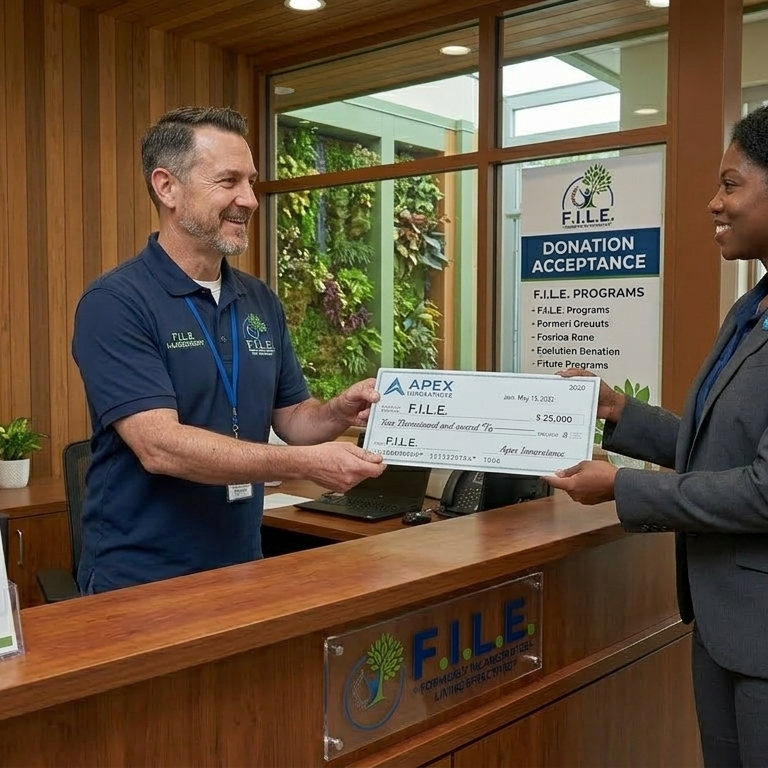
Donate to the Cause
Your contributions go directly toward:
- Document Recovery Fees: Helping returning citizens pay for birth certificates and state IDs.
- Production Costs: Keeping the podcast free and accessible for those still inside and their families.
- Resource Kits: Physical mailers sent to facilities with reintegration checklists
[Click Here to Make a One-Time of Monthly Donation]
2.
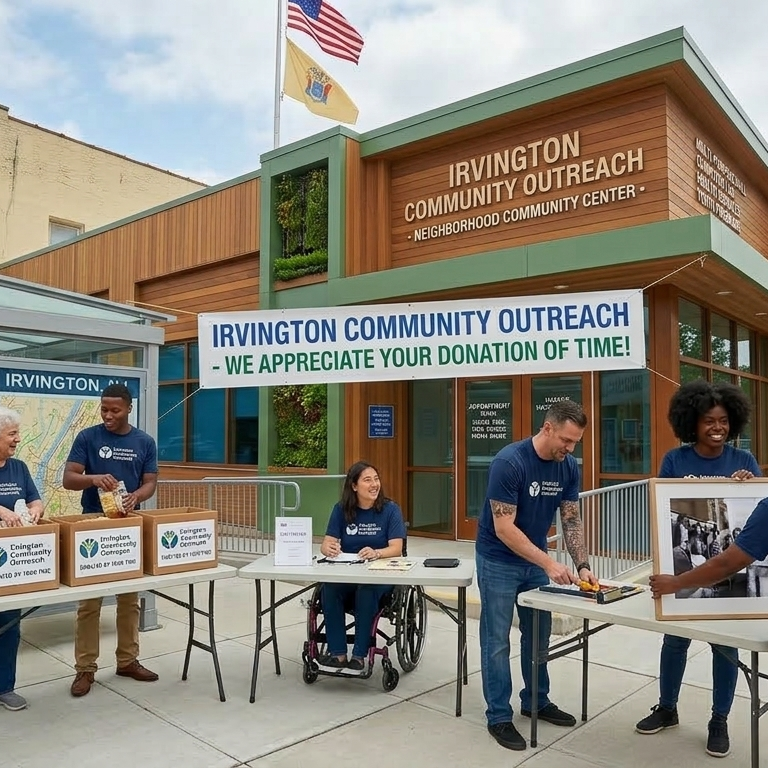
Become a Volunteer
We are always looking for mentors and professionals to lend their expertise.
- Resume Reviewers: Help justice-impacted individuals polish their professional profile.
- Legal Aid Partners: Attorneys willing to provide pro-bono advice on record sealing.
- Resource Scouts: Help us verify and update the directories on on our Resource Page.
3.
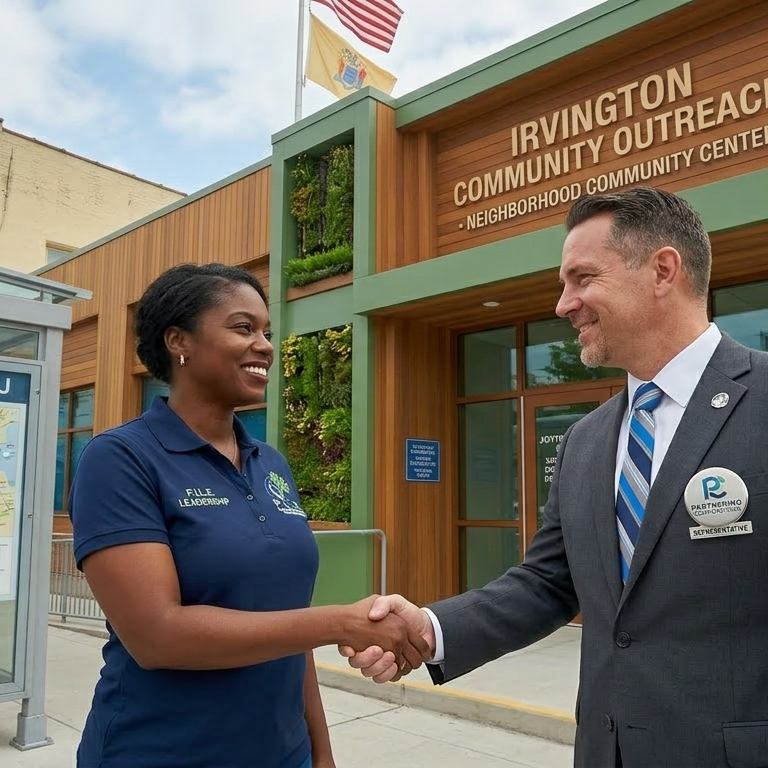
Corporate Partnerships
Does your company have a Fair Chance hiring policy? We want to partner with you to highlight your job openings to our listeners.
Sponsor an Episode: Get your brand in front of a dedicated, resilient audience.
Hiring Partner: Feature your open role on our next "Employment Spotlight".
Ready to take action?
E-mail us at partners@jamallewistv.com or fill out the form on our Contact Page.
Gallery
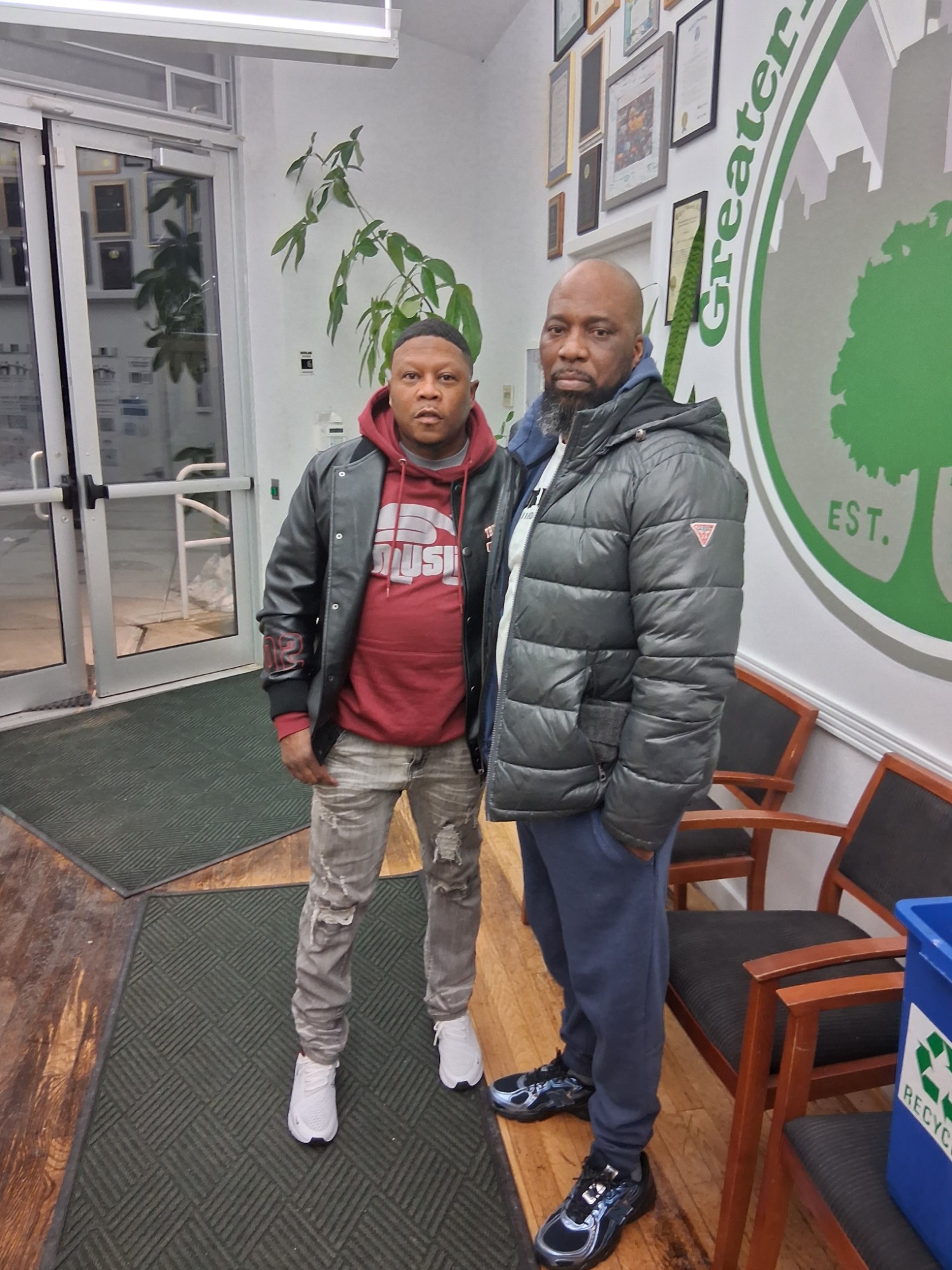
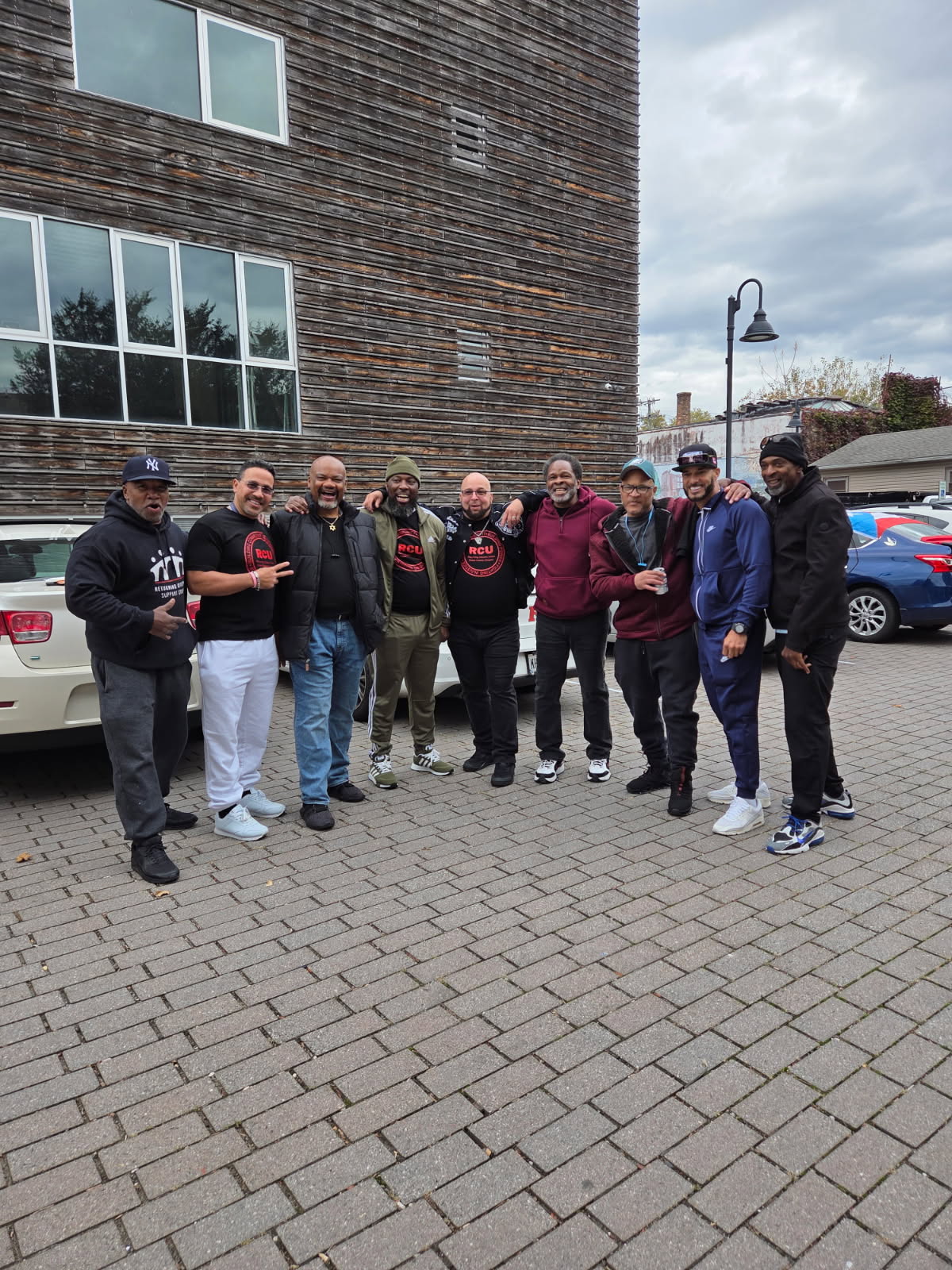
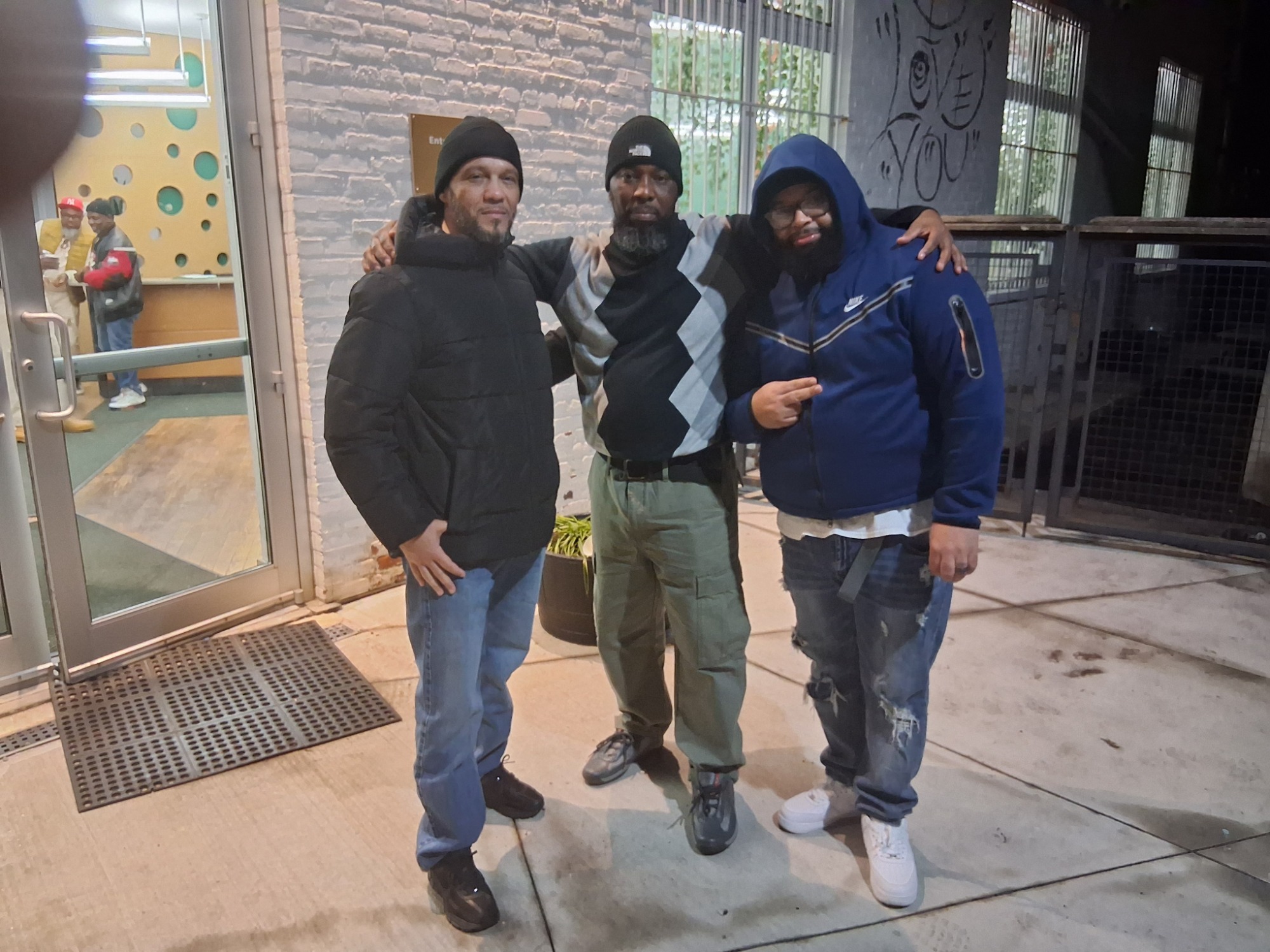
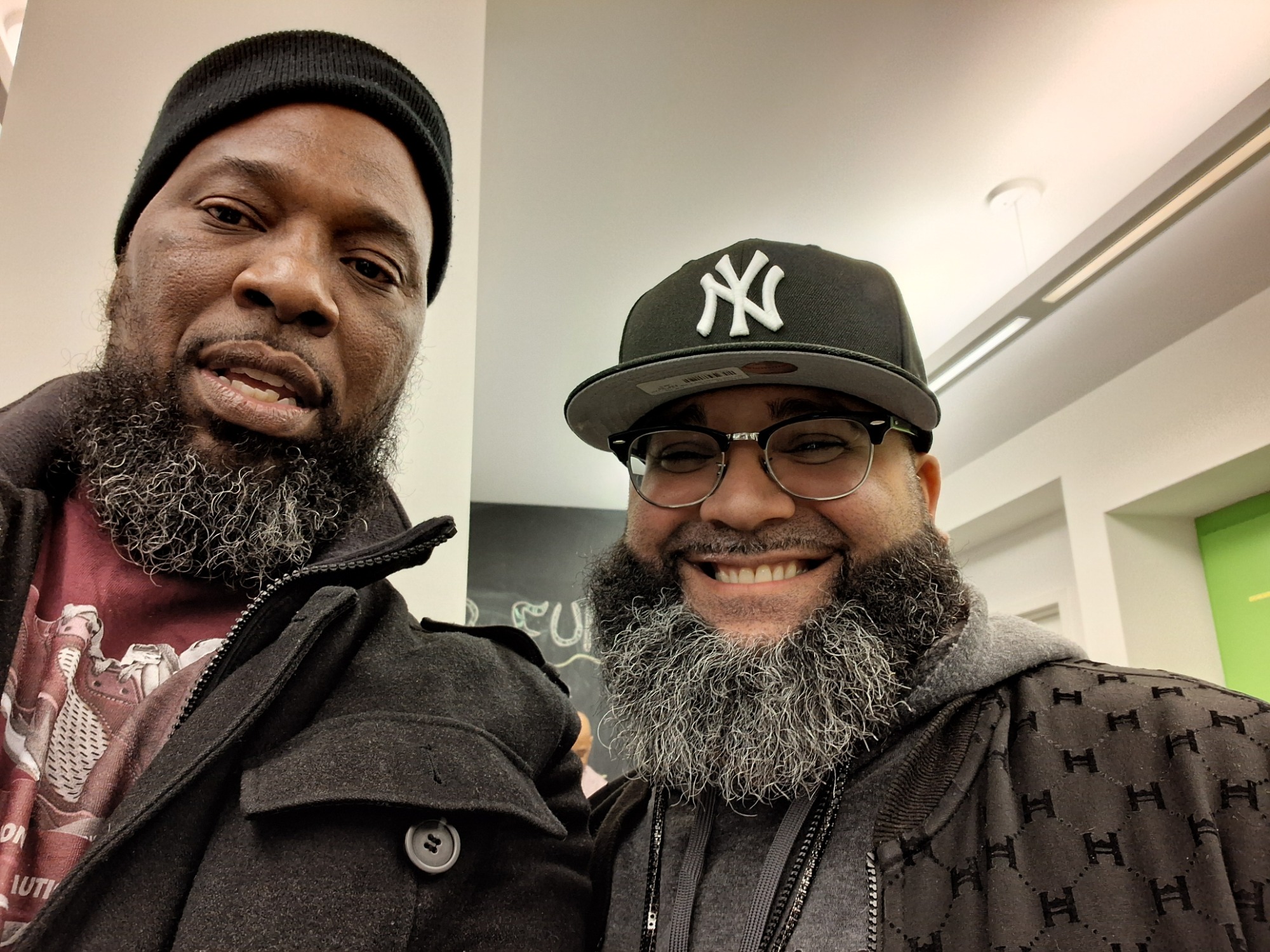
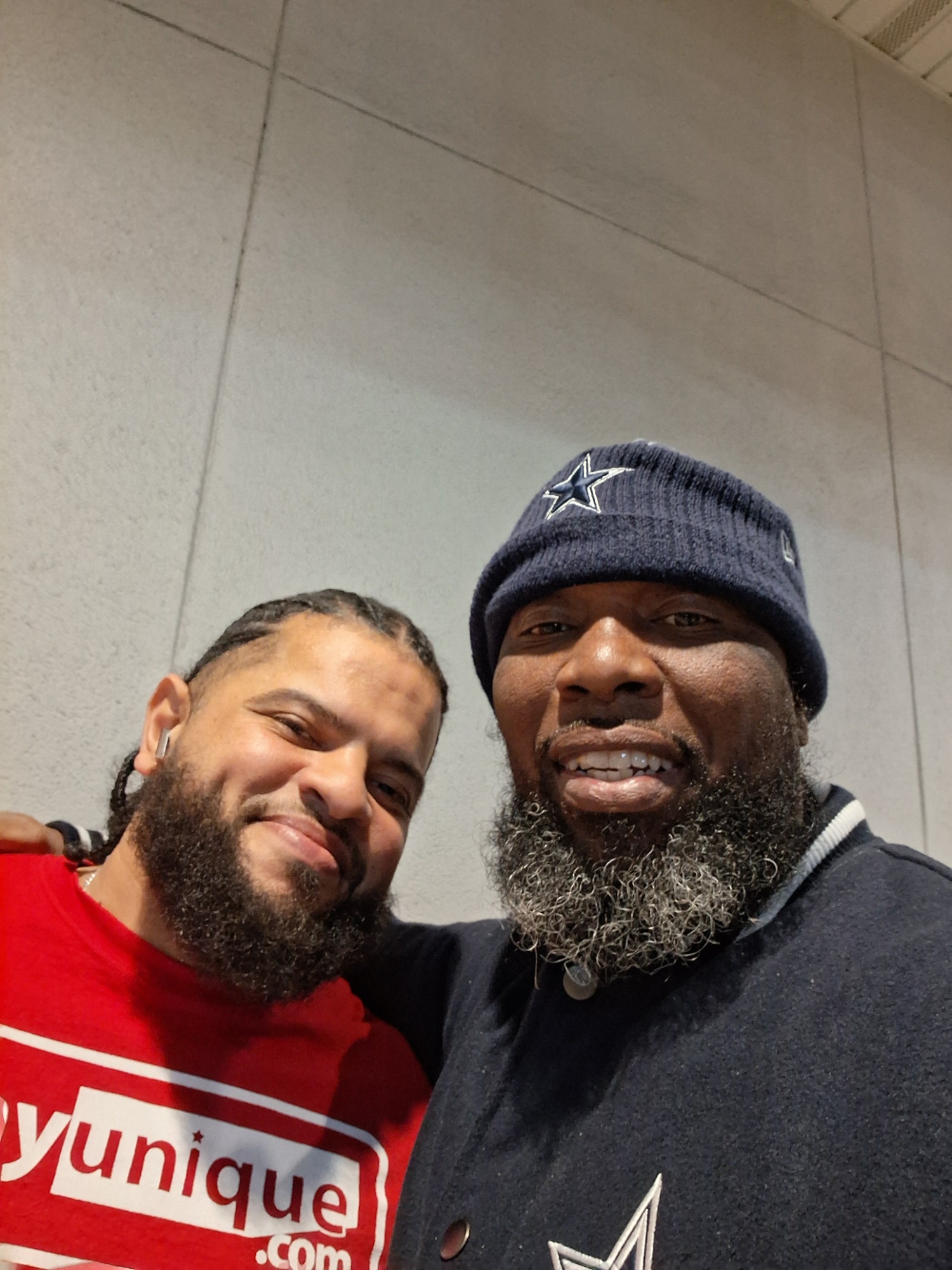
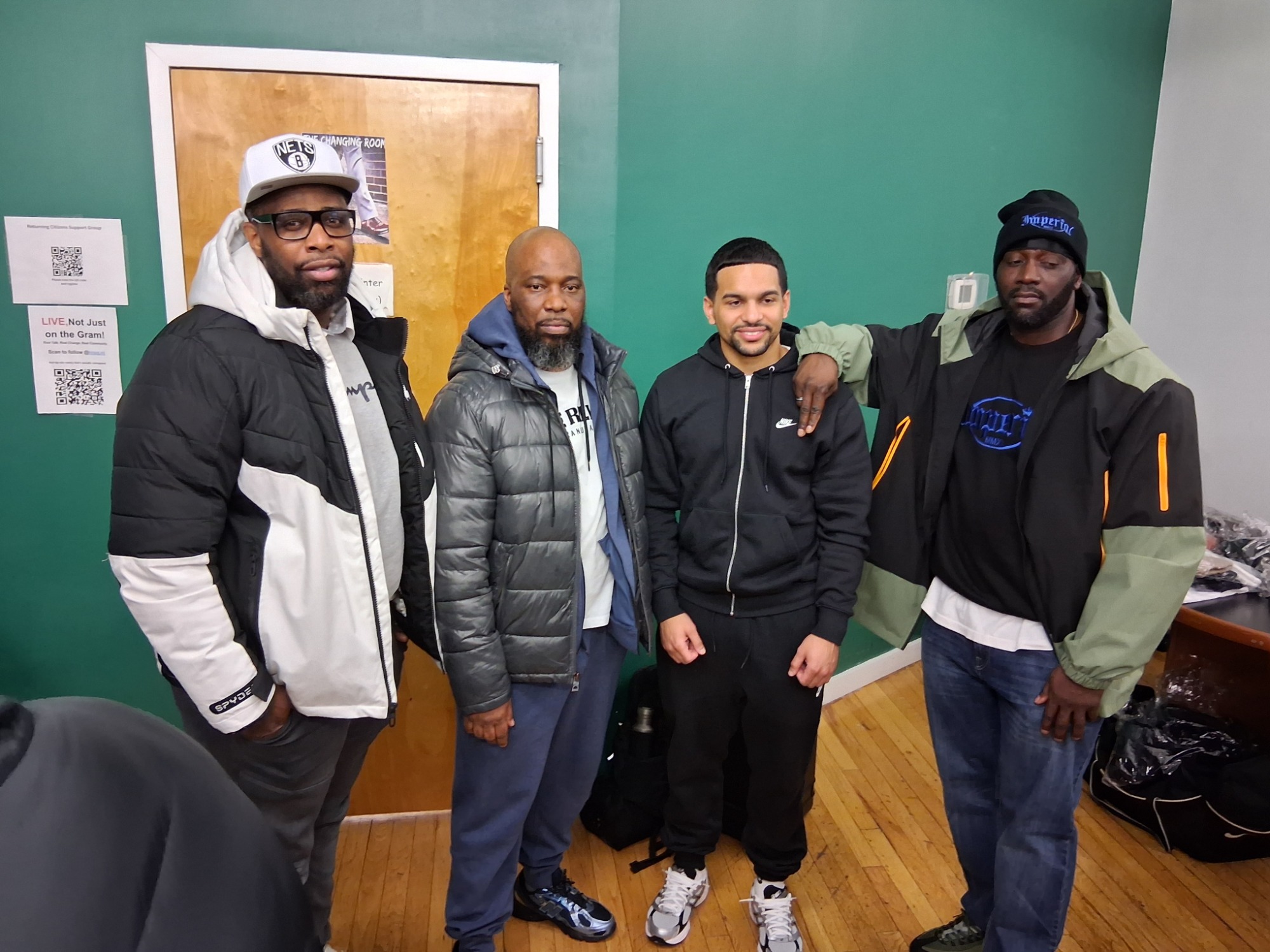
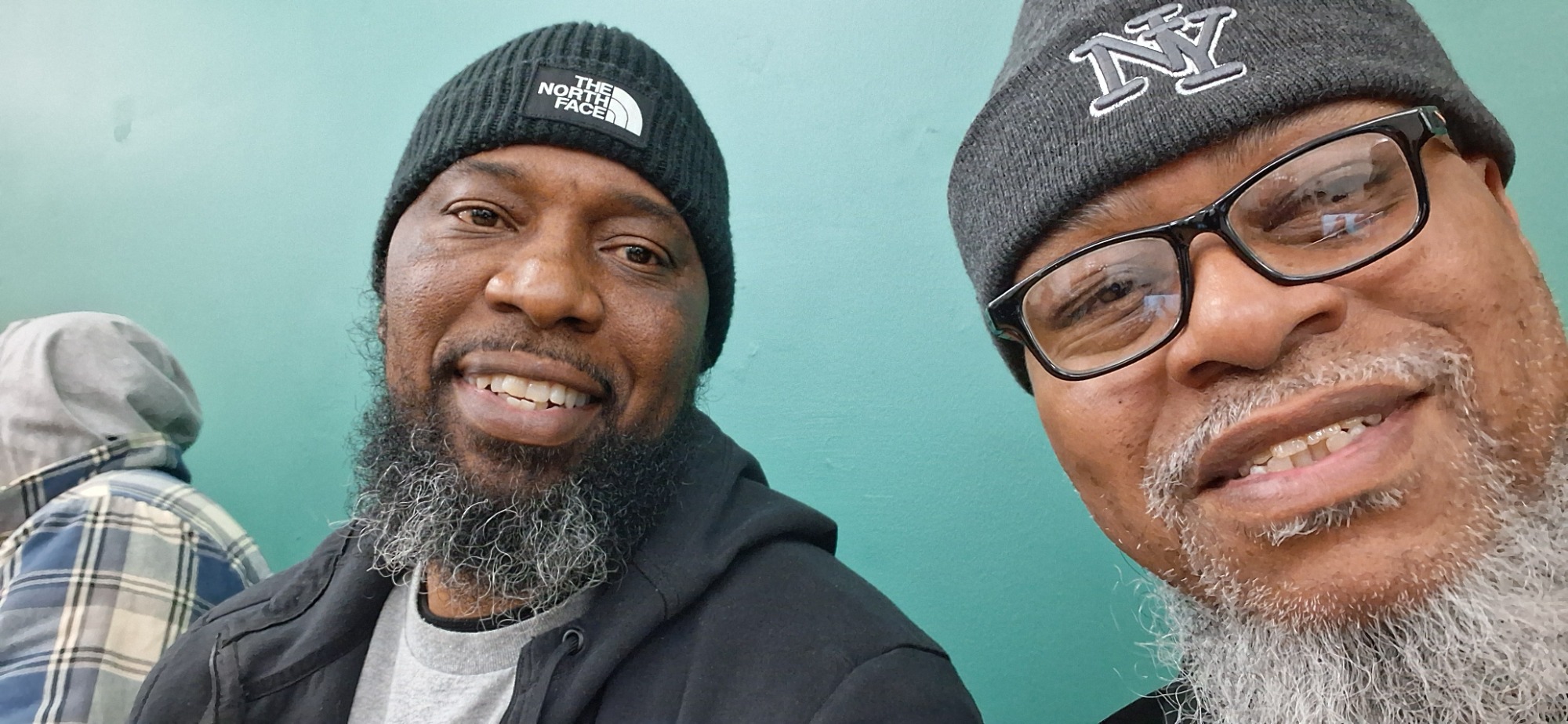
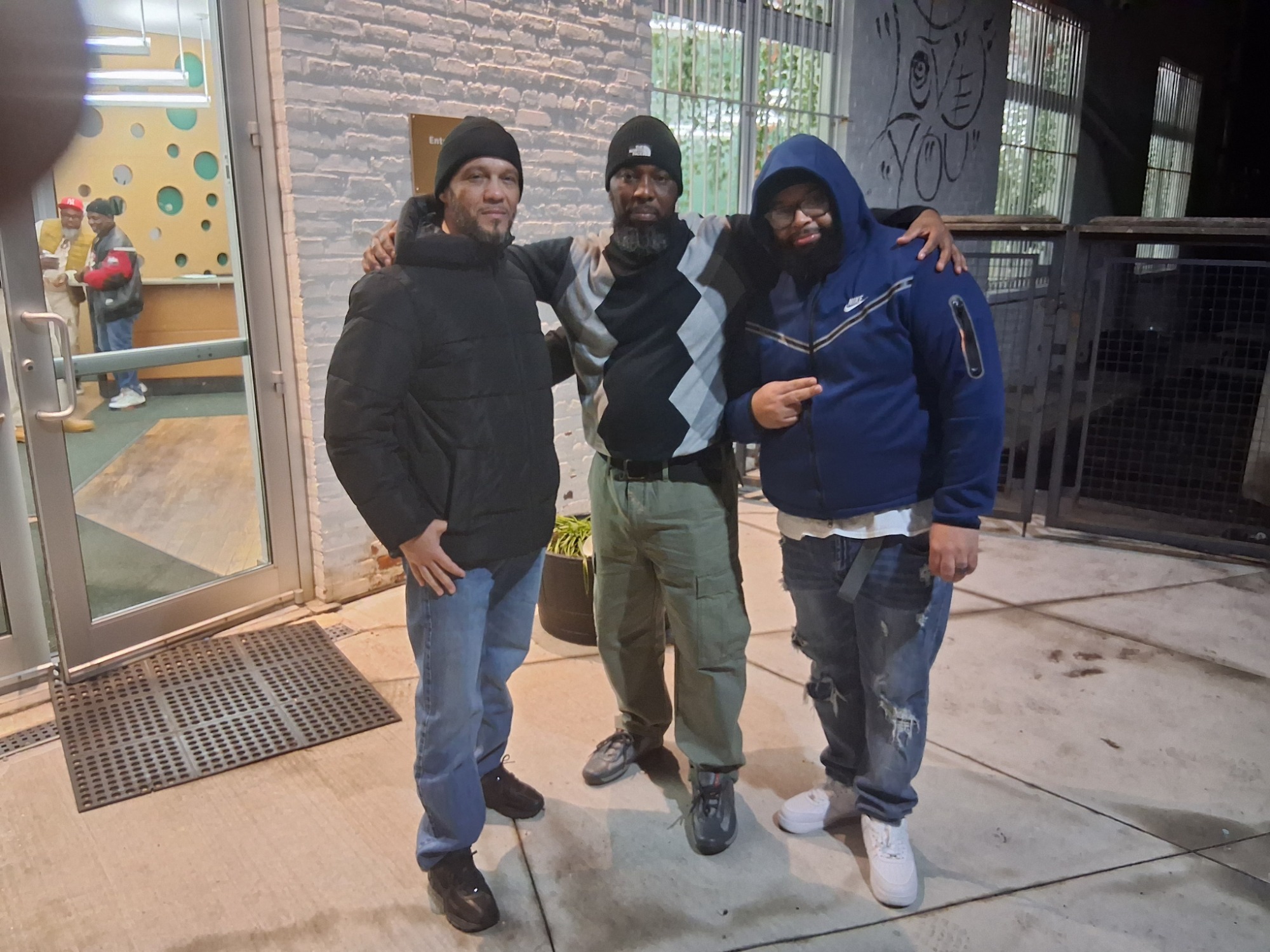
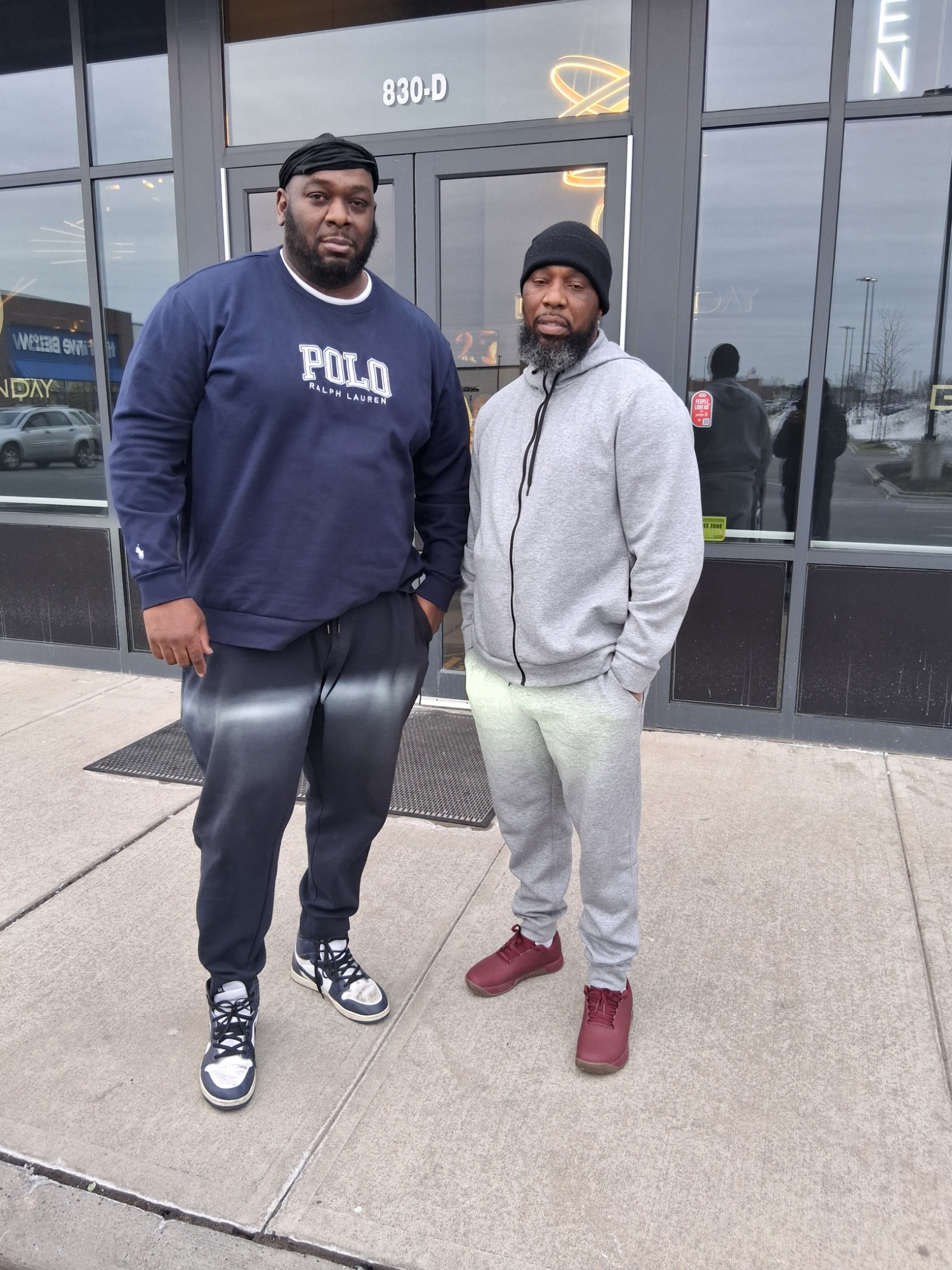
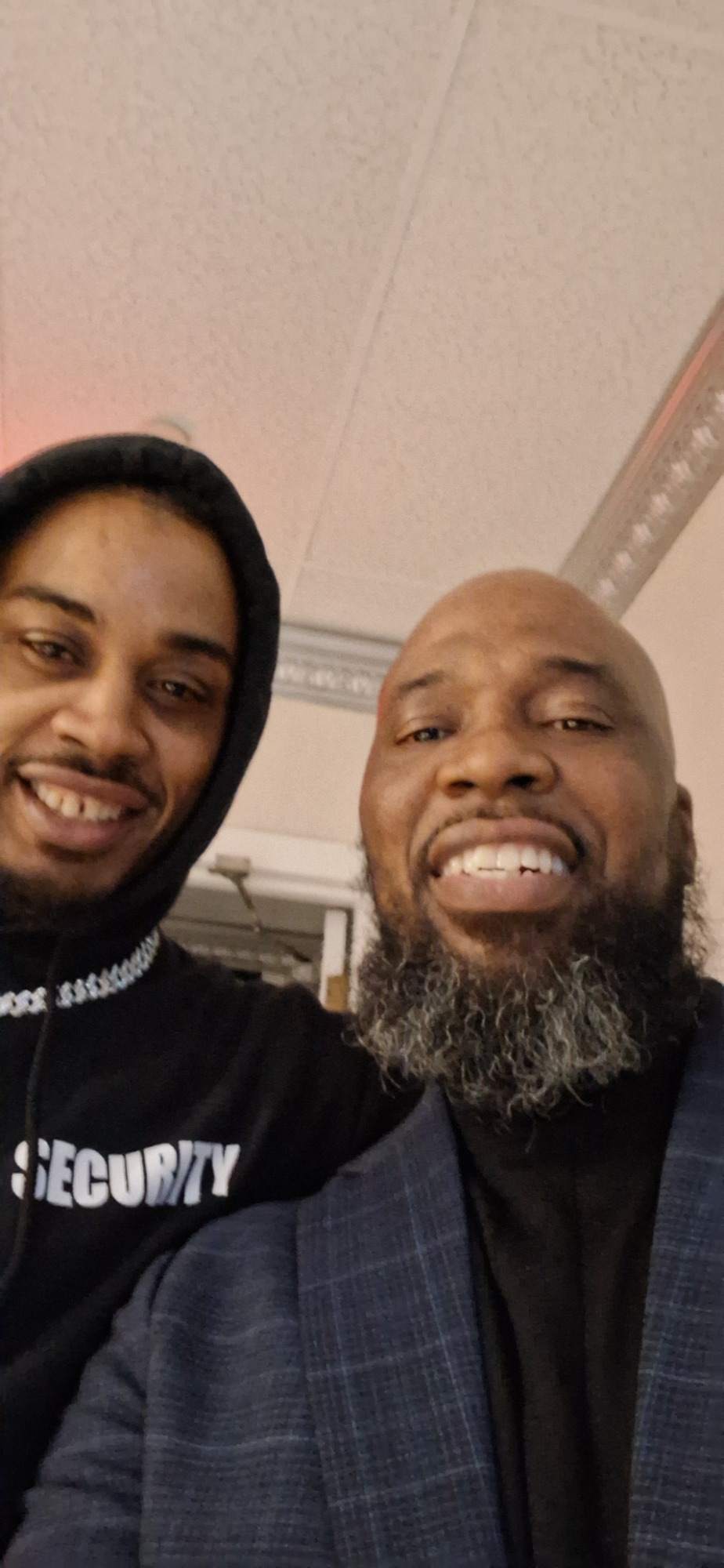
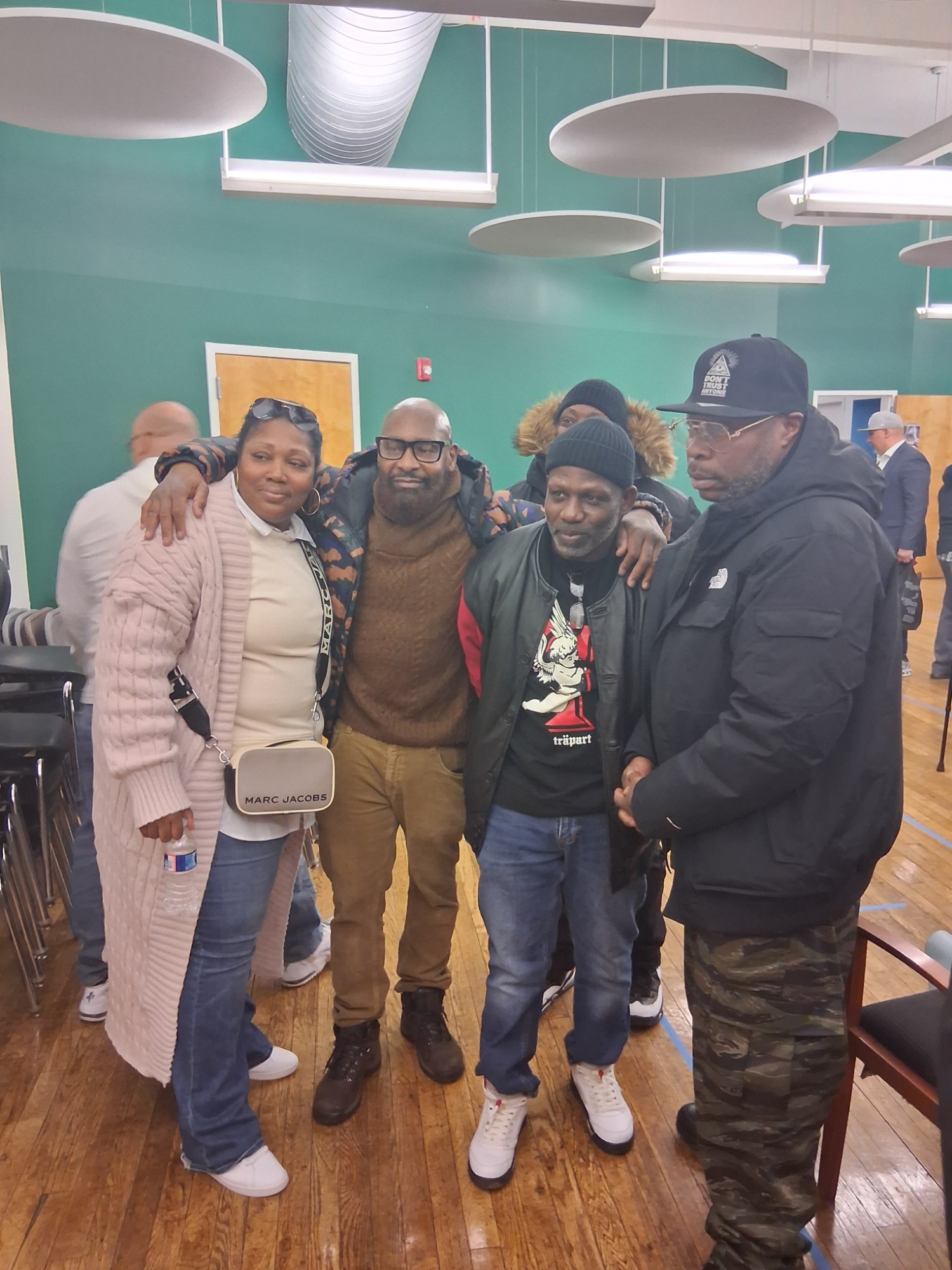
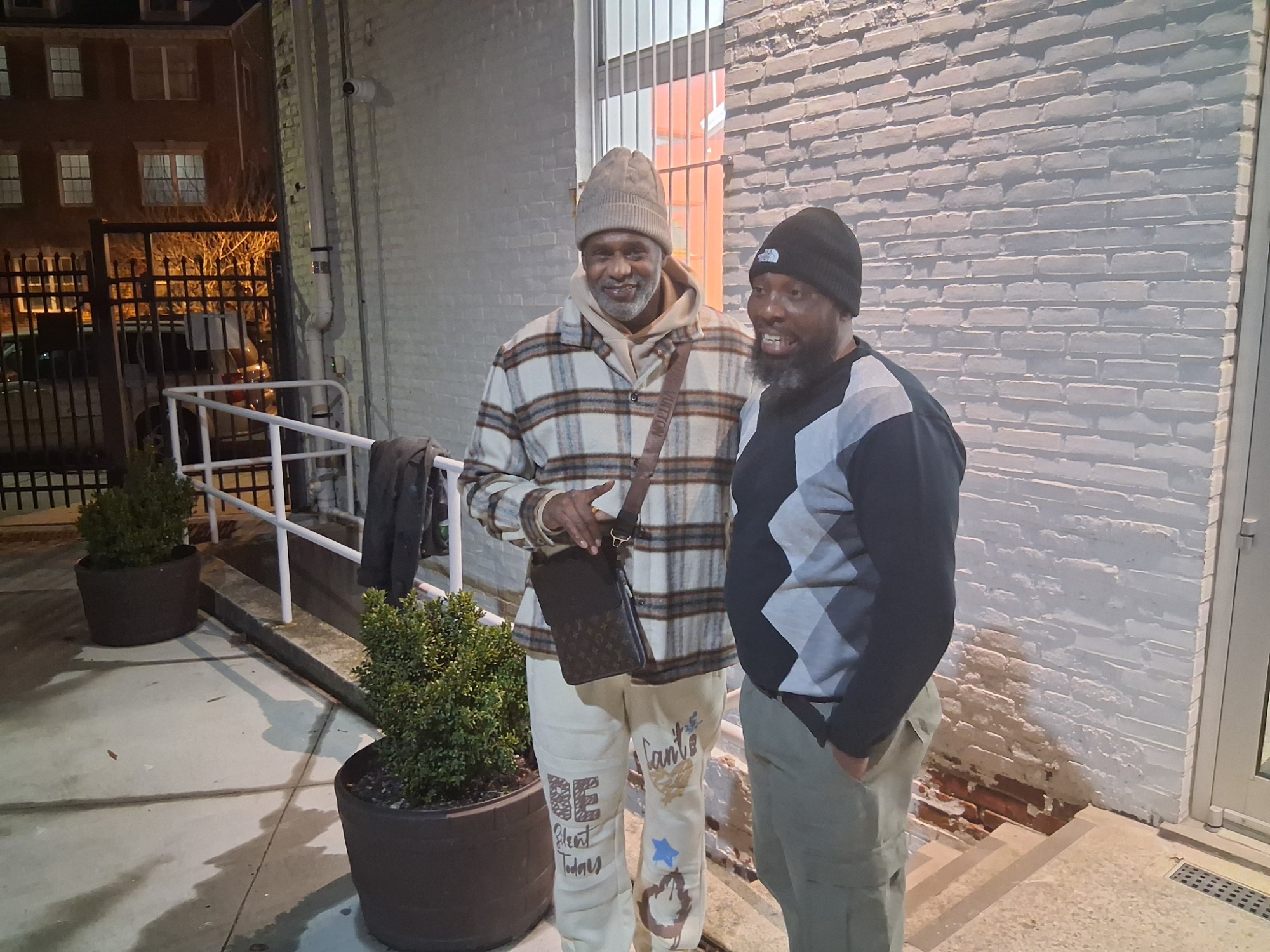
Empowering Change: Support Our Returning Citizens!
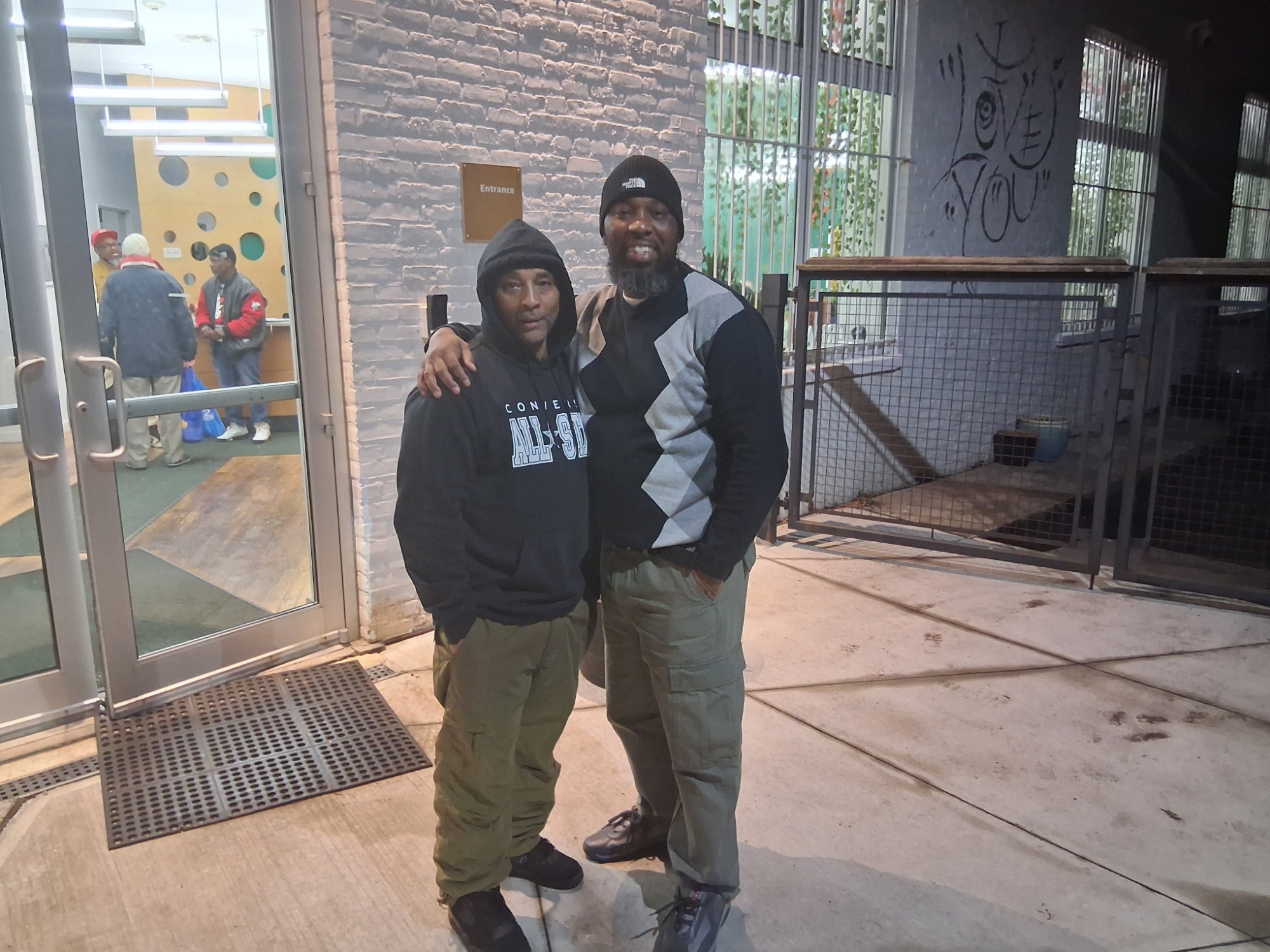
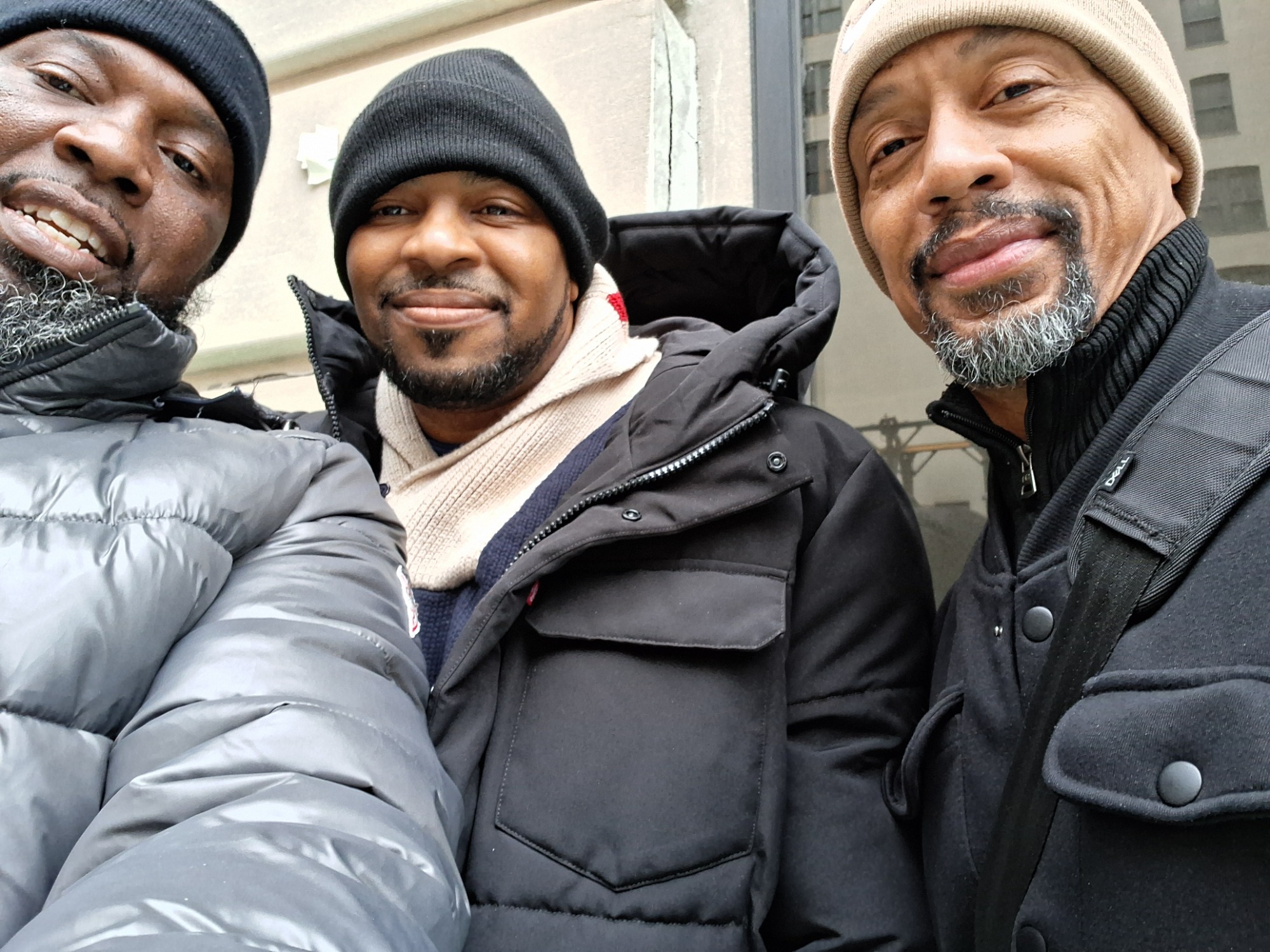
Formerly incarcerated individuals often face significant challenges when reintegrating into society, but with the right support and resources, they can thrive and contribute to their communities. Non-profit organizations play a crucial role in providing these vital second chances, offering programs that assist in skill development, job placement, and emotional support. By building a strong community around these individuals, we can foster an environment that encourages personal growth and reduces recidivism. Connecting formerly incarcerated citizens with mentors and resources not only empowers them but also strengthens the social fabric of our neighborhoods, creating a cycle of positive change that benefits everyone.




Are you an expert, fair-chance employer, or someone with a success story to share? Please include the following in your message:
- Full Name & Organization: (if applicable)
- Topic Expertise: (e.g. Housing, Legal, Personal Story)
- Link to Online Presence: (LinkedIn, Website, or Portifolio
- Brief Pitch: Why is your message vital to the F.I.L.E. community?
General Inquiries
For all other questions, feedback, or resource submissions: Email: info@jamallewistv.com Mailing Address: 90 Fuller Pl. Irvington, NJ 07111
Note: We receive a high volume of messages. Please allow 3-5 business days for a response from our team.